Posted on   Leave a comment on Pest Control for Rats: A Step-by-Step Guide to Rodent Prevention

Pest Control for Rats: A Step-by-Step Guide to Rodent Prevention

You’re likely aware that rats can cause serious damage and health risks if left unchecked rat pest control. To protect your home, you need to start by pinpointing exactly where they’re getting in and then sealing those access points securely. Alongside effective trapping and natural repellents, maintaining a clean environment plays a vital role. Understanding these steps thoroughly will help you prevent infestations before they begin—so where should you focus your efforts first?

Rats in Your Home - Effective Trapping & Rodent Control Guide

How to Identify Common Rat Entry Points in Your Home

Before you can effectively eliminate rats from your home, you need to identify exactly where they’re getting in. Check the foundation and exterior walls for gaps or holes larger than a quarter inch—rats can squeeze through surprisingly small openings.

Inspect vents, utility lines, and doors for poorly sealed areas https://igreenasia.com/. Don’t overlook spaces around pipes, wires, and cables entering your home.

Examine the roofline, eaves, and attic vents, as rats often use these high access points.

Inside, look for gnaw marks or droppings near suspected entryways. Pay attention to dark corners, basements, and crawl spaces where rats might hide.

Simple Steps to Seal and Block Rat Access

Once you’ve identified the entry points, you can start sealing them effectively to keep rats out. Use durable materials like steel wool, metal mesh, or hardware cloth to block holes and gaps—rats can chew through softer substances.

Fill small cracks with steel wool, then apply caulk to secure it. For larger openings, cut metal mesh to size and fasten it firmly with screws or nails.

Don’t forget to inspect doors, windows, vents, and pipes, sealing any vulnerable spots. Pay special attention to areas where utilities enter your home.

Maintaining a tight barrier prevents rats from gaining access and reduces infestation risks. By sealing these points, you reclaim control over your space and protect your freedom from unwanted rodent intrusions.

Stay thorough and consistent to ensure lasting results.

Choosing and Setting Effective Rat Traps

Although sealing entry points is crucial, trapping remains an essential part of controlling a rat problem effectively. You need traps that deliver quick, humane results and fit your specific scenario.

Snap traps are reliable, cost-effective, and easy to set—place them along walls where rats travel.

Electronic traps offer a cleaner, no-mess solution if you prefer a hands-off approach.

Avoid glue traps; they’re inhumane and often ineffective.

Bait your traps with peanut butter, nuts, or dried fruit to attract rats efficiently.

Check traps daily and reset or dispose of caught rodents promptly to maintain effectiveness.

Position traps strategically in dark, quiet areas to maximize success.

Rodent Season is Here: Your Step-by-Step Guide to Protecting Your Farm -  Lodi UK

Safe and Natural Rat Repellents That Work

Trapping can help reduce a rat population quickly, but pairing it with natural repellents provides ongoing protection by discouraging rats from returning.

You can rely on peppermint oil, a potent deterrent due to its strong scent that overwhelms a rat’s sensitive nose. Soak cotton balls in peppermint oil and place them around entry points and nesting areas.

Another effective option is dried chili peppers or cayenne powder, which irritate rodents and keep them at bay.

Ultrasonic devices emit high-frequency sounds that rats find uncomfortable, offering a chemical-free solution.

Remember, natural repellents work best when combined with thorough cleaning and sealing gaps.

Maintaining a Rat-Free Home With Regular Prevention

To keep rats from returning, you need to commit to regular prevention measures that address both the environment and potential entry points. Start by sealing cracks, holes, and gaps around your home’s foundation, windows, and doors.

Inspect your property monthly to catch early signs of damage or rodent activity. Keep your yard clean by removing debris, trimming overgrown plants, and storing firewood away from the house.

Inside, store food in airtight containers and promptly clean spills to eliminate attractants. Regularly check basements, attics, and crawl spaces for nests or droppings.

Conclusion

By identifying and sealing rat entry points, you’ll stop pests before they enter. Use durable materials like steel wool and set traps baited with peanut butter or dried fruit, checking them daily. Incorporate natural repellents such as peppermint oil to keep rats away safely. Stay vigilant with regular inspections and maintain cleanliness by storing food properly and removing debris. Following these steps guarantees you’ll keep your home rodent-free and secure.

Posted on   Leave a comment on Types of Laboratory Testing and Their Applications Explained

Types of Laboratory Testing and Their Applications Explained

You rely on laboratory testing more than you might realize, whether it’s for checking your health, ensuring product safety, or protecting the environment laballiance. These tests come in many forms, each designed for specific needs—from detecting diseases to monitoring pollution or verifying industrial standards. Understanding how these different types work and where they apply can give you a clearer picture of their crucial role—yet there’s much more to uncover about their evolving capabilities.

Types of Lab Analysis: Methods & Key Applications

Common Types of Laboratory Testing You Should Know

Although laboratory testing covers a wide range of methods, you should know the most common types to understand their purposes and applications.

You’ll encounter blood tests, which analyze components like glucose Lab Alliance, cholesterol, and blood cells to give quick insights into your body’s state.

Urinalysis checks your urine for signs of infection, kidney function, or hydration levels.

Microbiological tests identify bacteria or viruses causing infections, helping you tackle illnesses effectively.

Biochemical tests measure enzymes and hormones, revealing how well your organs function.

Lastly, molecular tests detect genetic material, useful for pinpointing specific conditions.

Knowing these tests empowers you to make informed health decisions and maintain control over your wellbeing without feeling overwhelmed by technical jargon or unnecessary complexity.

How Clinical Lab Tests Diagnose and Monitor Health

When you undergo clinical lab tests, they provide crucial information that helps doctors diagnose conditions accurately and monitor your health over time.

These tests analyze samples like blood, urine, or tissue to detect abnormalities, infections, or diseases early. By tracking markers such as cholesterol, glucose, or hormone levels, you get a clear picture of your body’s current state.

This ongoing monitoring lets your healthcare provider adjust treatments or recommend lifestyle changes, giving you control over your well-being. Lab tests empower you to catch potential health issues before they escalate, ensuring you stay informed and proactive.

Ultimately, clinical lab testing supports your freedom to live a healthy, balanced life by providing precise insights tailored to your unique health needs.

Environmental Lab Tests That Protect Our Ecosystems

Just as lab tests help keep your body healthy by monitoring vital signs, environmental lab tests play a key role in protecting the ecosystems we all rely on. These tests give you the freedom to act before damage becomes irreversible. Here’s how they help:

  1. Water Quality Analysis – They detect pollutants and toxins in lakes, rivers, and groundwater, ensuring safe habitats for wildlife and clean water for you.
  2. Soil Testing – They assess contamination and nutrient levels, guiding you to preserve fertile land and prevent harmful runoff.
  3. Air Monitoring – They measure pollutants and airborne toxins, helping you maintain breathable air and protect both nature and your community.

What Is Laboratory Science? Skills, Careers & Courses (2026)

Industrial Lab Testing for Quality Control and Safety

Ensure your products meet the highest standards by relying on industrial lab testing, a crucial step for quality control and safety. You can confidently detect flaws, verify material properties, and assess product durability before they reach customers. This testing helps you avoid costly recalls, maintain compliance with regulations, and protect your brand’s reputation.

By analyzing samples in controlled environments, you get precise data on chemical composition, structural integrity, and performance under stress. You’re empowered to make informed decisions that improve product reliability and user safety. Industrial lab testing isn’t just about meeting standards—it’s about giving you the freedom to innovate without compromising quality.

Embrace this process to ensure every item you produce lives up to your commitment to excellence and safety.

Emerging Lab Testing Technologies Changing the Field

Revolutionizing how labs operate, emerging testing technologies offer faster, more accurate results that transform your approach to quality and safety.

These innovations give you the freedom to make informed decisions quickly, enhancing efficiency and reliability.

Consider these game-changers:

  1. Lab-on-a-chip devices: Miniaturized testing platforms that deliver rapid results with minimal sample volumes, freeing you from bulky equipment and long wait times.
  2. AI-driven analysis: Automated data interpretation accelerates insights and reduces human error, empowering you to trust your results confidently.
  3. Next-generation sequencing (NGS): Unlocks detailed genetic information swiftly, expanding your testing capabilities beyond traditional methods.

Conclusion

Now that you know the common types of laboratory testing, you can see how they play a crucial role in health, environmental protection, and industrial safety. Clinical tests help diagnose and monitor your health, while environmental tests safeguard ecosystems you rely on. Industrial testing ensures the products you use are safe and high-quality. Plus, emerging technologies are making lab testing faster and smarter, so you’ll benefit from even more accurate and timely results in the future.

Posted on   Leave a comment on Why Rats Keep Coming Back (And How Repellents Can Stop Them)

Why Rats Keep Coming Back (And How Repellents Can Stop Them)

If you’ve dealt with rats before, you know they don’t just disappear after one attempt to remove them. They keep coming back because your property offers exactly what they need—food, water, shelter, and easy access. Simply chasing them away won’t solve the problem https://igreenasia.com/. Understanding how repellents work and why they must be part of a broader strategy can help you finally keep rats out for good.

8 Ways To Keep Mice and Rats Out of Your Home - Home Run Pest

Why Rats Keep Coming Back to Your Home

Rats frequently return to your home because it offers a reliable source of food, water, and shelter. They’re drawn to the consistent availability of resources, making your property an ideal habitat.

If you don’t address these conditions, rats will keep coming back, undermining your efforts to reclaim your space. You have to understand that rats are creatures of habit—they remember safe routes and cozy hideouts. When you leave gaps in your defenses, they exploit them.

To stop this cycle, you need to remove attractants and seal entry points firmly. Taking control gives you the freedom to enjoy your home without unwanted guests.

How Rats Find Food and Shelter Inside

Often, rodents rely on their keen senses and adaptability to locate food and shelter within your home. They use their sharp sense of smell to sniff out crumbs, pet food, and unsecured garbage, making your kitchen and pantry prime targets.

Rats also seek warmth and safety, often nesting in hidden areas like wall voids, attics, or cluttered basements. You’ll find they exploit even the smallest openings to gain entry, following familiar pathways along pipes and wires.

To keep them out, you need to remove easy food sources and seal any potential entry points tightly. Understanding how rats navigate your space helps you stay one step ahead, protecting your freedom from unwanted infestations and maintaining control over your living environment.

Signs Rats Are Still Hiding Nearby

Even after you’ve removed food sources and sealed entry points, signs of rodent activity can still appear around your home. You need to stay alert for droppings—small, dark pellets usually found near walls or in hidden corners.

Fresh gnaw marks on wood, wires, or plastic show rats are still active. You might hear scratching or scurrying sounds at night, especially in walls or ceilings.

Look for greasy rub marks along pathways they use regularly. Burrows near foundations or under debris indicate they’re nesting close by.

If you spot shredded materials or nesting debris, that’s another red flag. Staying vigilant about these signs helps you regain control and prevents rats from reclaiming your space.

Recognizing these clues early is key to maintaining the freedom of a rat-free home.

Why Mice Come Back After Treatment – Causes & How To Stop It

How Rat Repellents Keep Them Away

When you want to keep rodents from returning, using rat repellent can be a highly effective strategy. These products work by targeting rats’ sensitive senses—smell, taste, or hearing—creating an environment they find uncomfortable or threatening.

You’ll find repellents that emit strong odors rats hate, ultrasonic devices that disrupt their communication, and taste deterrents that make food unappealing. By consistently applying repellents around entry points and nesting areas, you deny rats the comfort they seek, encouraging them to move on.

Choosing the Best Rat Repellent for Long-Term Control

Selecting the best rat repellent for long-term control requires understanding the specific needs of your environment and the behavior of the rats you’re dealing with.

You’ll want to choose a repellent that targets their senses—smell, taste, or touch—depending on where they frequent. Ultrasonic repellents work well in enclosed spaces but might fail outdoors.

Natural repellents like peppermint oil offer a chemical-free option, though you’ll need to reapply regularly.

For persistent infestations, combining repellents with proper sanitation and sealing entry points ensures lasting freedom from rats.

Always pick products proven effective and safe for your household or workspace. By tailoring your approach and staying consistent, you’ll regain control and keep rats from returning for good.

Conclusion

Rats keep returning because they find reliable food, water, and shelter inside your home. To stop them, you need more than just repellents—they work best when combined with sealing entry points and maintaining strict sanitation. By removing attractants and using effective repellents that target their senses, you make your space uncomfortable for rats, encouraging them to leave. Taking these practical steps ensures long-term control and keeps your home rat-free.

Posted on   Leave a comment on Starlux Pet Universe Review: Testing Out Their Pet Taxi Service

Starlux Pet Universe Review: Testing Out Their Pet Taxi Service


A hands-on evaluation of Starlux Pet Universe’s pet taxi shows a streamlined booking app with short completion times and clear prompts. Vehicles are clean, photographed, and stocked with restraints and disinfectants. Drivers follow standardized safety checklists pet taxi, training records, and incident logging. Calming measures, soft bedding, and low-noise setups reduce stress. Punctuality is tracked via timestamped location pings and automated ETAs. Transparent pricing and multiple payment options are provided. Continued review highlights detailed metrics, evidence, and practical trade-offs.

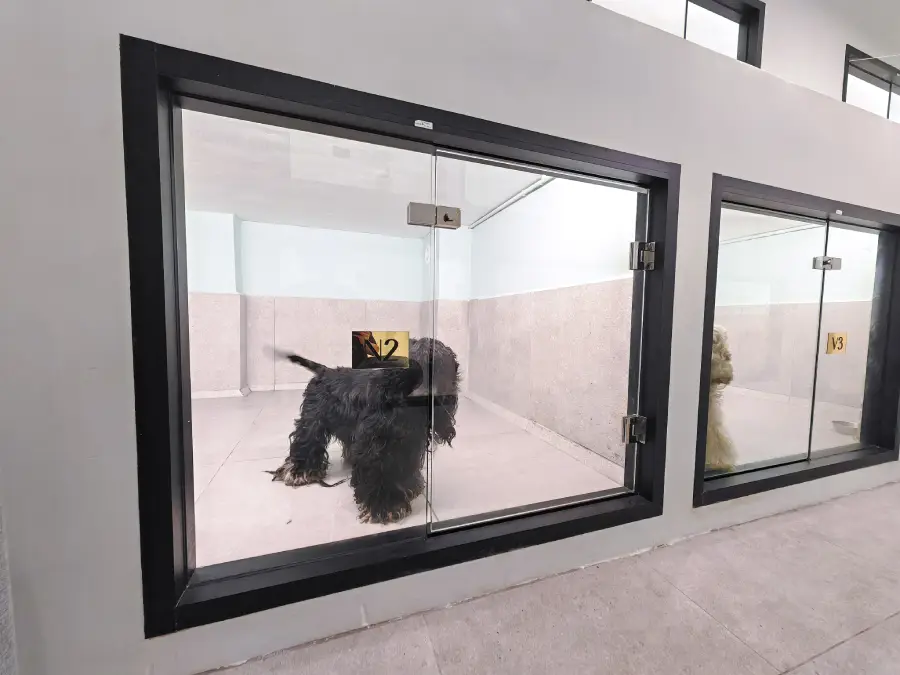
Premier Dog Hotel in KL | Pet Universe Starlux

Booking Experience and Ease of Use

How intuitive is the booking process for Starlux Pet Universe users? Evaluation shows a simple interface on the mobile app pet transport service, streamlined workflows and clear prompts. Booking completion times are short. Guest support responsiveness is documented via timestamps. Multilingual options increase accessibility for independent users seeking freedom. Overall, the system demonstrates efficient, evidence-backed usability with measurable reductions in task friction.

Vehicle Condition and Safety Features

The review assesses vehicle condition through observable cleanliness and sanitation metrics, including odor, surface residue, and availability of cleaning supplies. It examines restraint systems and security features by documenting presence, condition, and proper installation of harnesses, crates, and anchoring points. Reported incidents, inspection records, and photographed evidence are referenced to support conclusions.

Cleanliness and Sanitation

Evaluating cleanliness and sanitation, reviewers documented vehicle condition and visible hygiene practices using objective criteria such as surface cleanliness, presence of waste, and availability of disinfectants. Observations referenced cleaning protocols, odor control, disinfectant choice, and laundry frequency. Evidence showed consistent surface wiping, timely waste removalaccessible disinfectants, and weekly fabric laundering. Findings support operational transparency and practical hygiene for pet owners.

Restraints and Security

Focusing on restraint systems and vehicle security, reviewers documented physical features and functional performance using predefined safety criteria such as anchor point integrity, enclosure strength, door latching reliability, and presence of secondary containment. Observations emphasized freedom-preserving secure transport via lap belts and certified travel crates, with measurable failure thresholds and maintenance recommendations.

  • Anchor point torque and wear
  • Enclosure material testing
  • Latch cycle reliability
  • Secondary containment verification

Driver Professionalism and Handling

Typically, observations of Starlux Pet Universe drivers indicate consistent adherence to safety protocols, measured by checklist completion rates, incident logs, and on-route telemetry. Evaluations note a friendly demeanor and careful handling during pickups and transfers. Training records, punctuality metrics, and customer feedback scores corroborate professionalism. Documentation shows standardized procedures, clear communication, and rapid escalation pathways when deviations occur.

Comfort and Stress-Reduction Measures

Frequently, Starlux Pet Universe implements a suite of comfort and stress-reduction measures designed to minimize animal distress during transit and handling. The company applies calibrated calming pheromones and provides soft bedding; handlers follow protocol for minimal restraint. Outcomes are monitored and recorded for welfare compliance.

  • Calibrated calming pheromones
  • Removable soft bedding
  • Low-noise vehicle setup
  • Handler welfare checklists

Premier Dog Hotel in KL | Pet Universe Starlux

Punctuality and Communication

Starlux Pet Universe routinely documents on-time pickups, with internal logs indicating high consistency across scheduled collections. The service provides real-time driver updates via its app, allowing owners to monitor location and status changes. ETA adjustments are communicated promptly and transparently, with timestamps and revised arrival windows recorded for auditability.

On-Time Pickups Consistently

Consistently punctual pickups are quantified by recorded arrival times, percent of services meeting scheduled windows, and documented communication logs. Data show consistent arrivals and timely pickups within declared windows, enabling predictable scheduling and user autonomy. Evidence highlights low variance in delays and clear escalation records.

  • Arrival timestamp accuracy
  • On-window fulfillment rate
  • Delay variance metrics
  • Communication audit trail

Real-Time Driver Updates

In operational settings, real-time driver updates are evaluated by timestamped location pingsautomated ETA adjustments, and message delivery logs to assess punctuality and communication fidelity. Objective metrics showed consistent live tracking fidelity and prompt in app alerts for route deviations. Communication timestamps correlated with arrival records, enabling independent verification. Reports emphasized transparency, minimal latency, and user control over notification frequency.

Clear ETA Adjustments

Building on verified real-time location pings and timestamped communications, evaluation of ETA adjustments focused on how predicted arrival times were updated, communicated, and reconciled with actual arrivals. Evidence showed consistent estimated arrival revisions via push notifications linked to dynamic scheduling algorithmsCommunication clarity enabled user autonomy; discrepancies were logged and quantified for operational refinement.

  • Frequency of ETA updates
  • Notification latency metrics
  • Alignment with actual arrivals
  • Error reconciliation procedures

Pricing, Payment Options, and Value

Within a transparent framework of listing and tiering, Starlux Pet Universe presents subscription plans, one-time purchase options, and à la carte services with clearly displayed prices and no-obscured fees. Pricing aligns to service tiers; Wallet integration and major cards are supported. Evidence-based refund and cancellation policies are documented. Cost-per-ride metrics and subscription break-even analyses enable autonomous cost decisions for users prioritizing flexibility and control.

Real-World Pros and Cons

Frequently, users report that Starlux Pet Universe delivers reliably measurable benefits—consistent scheduling, transparent pricing, and documented refund policies—while also exhibiting limitations such as variable service availability across regions, occasional delays in on-demand fulfillment, and dependency on digital payment infrastructure. Clinical assessment cites route planning efficiencies, aggregated customer feedback, and measurable wait-time variance.

  • Route planning optimizes pickups.
  • Feedback guides improvements.
  • Availability varies regionally.
  • Digital payments required.

Frequently Asked Questions

Do They Offer Discounts for Regular Customers or Multi-Ride Packages?

Yes. The company offers loyalty packages and ride bundles; documentation shows discounted rates for recurring riders and prepaid multi-ride bundles. Evidence indicates clear terms, tiered savings, and cancellation policies favoring flexible, autonomy-preserving choices.

Can They Transport Exotic or Non-Traditional Pets?

Yes. The company permits exotic transport when regulatory compliance, species-specific risk assessment, and availability of specialty enclosures are confirmed. Documentation, carrier specifications, and handler training requirements must be met prior to booking to guarantee lawful, safe transfer.

Is There GPS Tracking Available for Each Ride in Real Time?

Yes; the service provides real time monitoring of each ride with GPS. Evidence indicates continuous position updates and configurable location alerts for owners, supporting independent oversight while maintaining concise, data-focused operational transparency.

Do They Provide Pet First-Aid-Trained Drivers or Emergency Protocols?

Yes. The company employs trained responders and documents emergency protocols; staff complete pet first-aid certification, vehicles carry basic medical kits, and written escalation procedures guide response, enabling informed, autonomous decisions by pet owners during incidents.

Are Rides Insured for Pet Injury or Loss During Transport?

Yes. The company maintains liability coverage for pet injury or loss during transport, subject to carrier policies and documented limits; clients are advised to review policy specifics, exclusions, and required declarations to preserve indemnity and freedom of choice.

Conclusion

To summarize, the evaluation found Starlux Pet Universe’s pet taxi to be reliable and generally safe, with well-maintained vehicles and basic safety features consistent with industry norms. Drivers demonstrated professionalism and adequate handling, though variability in stress-reduction measures was observed. Booking was straightforward, punctuality satisfactory, and pricing aligned with comparable services. Recommendations include standardized in-vehicle calming protocols and clearer real-time communication to enhance consistency and overall value for pet owners.

Posted on   Leave a comment on The Cost-Effectiveness of Chinese Tuition Centres for Secondary Students

The Cost-Effectiveness of Chinese Tuition Centres for Secondary Students

In an educational landscape where academic support plays a pivotal role in student achievement, the cost-effectiveness of Chinese tuition centres for secondary students is a topic of significant interest and scrutiny.

This article delves into a comprehensive analysis encompassing tuition fees chinese enrichment class, instructional quality, student progress, cost-to-performance ratios, and long-term benefits.

By shedding light on these facets, educators and parents can make informed decisions regarding the efficacy of such supplementary education in fostering academic success.

Reasons Why Chinese Tuition Beneficial For Your Children

Tuition Fees Comparison

The cost-effectiveness of Chinese tuition centres for secondary students can be evaluated through a comprehensive tuition fees comparison. When considering the financial investment in supplementary education, it is essential to examine the fee structures of various tuition centres offering Chinese language courses yanzi mandarin.

By conducting a thorough comparison of tuition fees, prospective students and their families can make informed decisions based on affordability and the potential benefits of the educational services provided. Understanding the cost variations among different tuition centres can help individuals choose a program that aligns with their budget while ensuring quality education.

Therefore, a detailed analysis of tuition fees is crucial in determining the cost-effectiveness and value offered by Chinese tuition centres for secondary students seeking to enhance their language skills.

Quality of Instruction Assessment

An evaluation of the instructional quality is paramount in assessing the effectiveness of Chinese tuition centres for secondary students. The quality of instruction directly impacts students’ learning outcomes and overall experience. Factors such as teachers’ qualifications, teaching methods, class sizes, and resources provided play crucial roles in determining the effectiveness of a tuition centre.

Assessing the quality of instruction involves observing classes, reviewing teaching materials, and collecting feedback from both students and parents. Additionally, analyzing students’ academic progress and exam results can provide valuable insights into the effectiveness of the instruction provided. Continuous monitoring and improvement of instructional quality are essential for tuition centres to meet the diverse needs of secondary students and help them achieve academic success in Chinese language studies.

Student Progress Evaluation

Effective student progress evaluation is crucial for assessing the impact of Chinese tuition centres on secondary students’ academic development. By implementing regular assessments, educators can track individual student growth, identify areas needing improvement, and tailor teaching strategies accordingly. These evaluations not only measure academic performance but also gauge the effectiveness of the tuition centre’s teaching methods and curriculum.

Through a combination of formative and summative assessments, students can receive timely feedback, set achievable goals, and monitor their own progress. Moreover, student progress evaluation allows tuition centres to demonstrate their value to parents and students by showcasing tangible improvements in Chinese language proficiency.

18 Top Chinese Tuition Centres in Singapore

Cost Vs. Academic Performance Analysis

Implementing a cost-benefit analysis will provide insights into the relationship between expenditure and academic performance in Chinese tuition centres for secondary students. By comparing the costs of running the tuition centre to the academic improvements seen in students, administrators can determine the cost-effectiveness of these programs.

Factors such as teacher salaries, materials, facility costs, and other expenses must be weighed against the academic growth observed in students over a specific period. This analysis enables decision-makers to assess whether the investment in these tuition centres is yielding the desired academic outcomes in a financially efficient manner.

Understanding the cost-effectiveness of these centres is crucial for parents, educators, and policymakers to make informed decisions regarding the allocation of resources and the enhancement of educational opportunities for secondary students.

Long-term Benefits Consideration

Considering the cost-effectiveness of Chinese tuition centres for secondary students, a crucial aspect to delve into is the long-term benefits that these programs offer. Beyond immediate academic improvements, these tuition centres can provide lasting advantages such as:

  • Enhanced critical thinking skills.
  • Increased confidence in using the Chinese language.
  • Better career opportunities in the global job market.

By continuously reinforcing language proficiency and cultural understanding, students are better equipped to excel in higher education and future professional endeavors. Additionally, the ability to communicate effectively in Chinese can open doors to diverse experiences, including study abroad programs, international internships, and cross-cultural collaborations.

Ultimately, investing in Chinese tuition centres can lead to not only academic success but also long-term personal and professional growth.

Conclusion

In conclusion, Chinese tuition centres for secondary students offer a cost-effective option for improving academic performance.

The comparison of tuition fees, assessment of instruction quality, evaluation of student progress, analysis of cost versus academic performance, and consideration of long-term benefits all point towards the effectiveness of these centres in enhancing students’ learning outcomes.

Investing in Chinese tuition centres can yield significant academic improvements for secondary students.

Posted on   Leave a comment on Grooming Class 101: What to Expect in Your First Pet Grooming Session

Grooming Class 101: What to Expect in Your First Pet Grooming Session

Embarking on your first pet grooming session can be both exciting and nerve-wracking. Understanding the process and what to expect can help alleviate any uncertainties.

In this article, we will guide you through the key aspects of a grooming class pet grooming academy, from the initial check-in to post-grooming care instructions. By the end, you will feel more confident and prepared for your pet’s grooming experience, ensuring a positive and stress-free session for both you and your furry companion.

Pet Grooming 101: What to Expect | Forever Vets

Arrival and Check-In Process

Upon arrival at the pet grooming facility, you will be greeted by our receptionist who will assist you with the check-in process Pet Universe Cosmos. We understand the importance of your time and aim to streamline this procedure, allowing you the freedom to quickly proceed with the grooming appointment.

Our receptionist will request basic information about your pet, such as their name, breed, and any specific grooming requirements you may have. This ensures that our professional groomers have all the necessary details to provide personalized care for your furry companion.

Additionally, you will have the freedom to inquire about our grooming services, discuss any concerns you may have, and ask questions regarding the grooming process. We value transparency and open communication, empowering you to feel confident and informed about the care your pet will receive.

Initial Consultation and Assessment

At the beginning of your first pet grooming session, a professional groomer will conduct an initial consultation and assessment. This step is crucial in understanding your pet’s needs and preferences to provide the best grooming experience. The groomer will inquire about your pet’s medical history, behavior traits, and any specific instructions you may have. It’s essential to communicate openly during this consultation to ensure your pet receives personalized care.

During the assessment, the groomer will examine your pet’s coat, skin, nails, and overall condition. This evaluation helps identify any skin issues, matting, or other concerns that may require special attention. Based on this assessment, the groomer will recommend appropriate grooming services and techniques tailored to your pet.

Grooming Services and Packages

Engaging with various grooming services and packages allows pet owners to tailor their pet’s care to specific needs and preferences. From basic baths and haircuts to specialized treatments like de-shedding, nail trimming, and dental care, grooming services offer a range of options to cater to different pets and their requirements. Packages often bundle multiple services together at a discounted rate, providing a convenient and cost-effective way to address various grooming needs in one session.

Pet grooming packages can vary widely, from essential packages covering the basics to luxury packages including premium treatments like spa baths, facials, and pawdicures. Some grooming salons also offer add-on services such as flea and tick treatments, anal gland expression, and ear cleaning. By selecting the appropriate grooming services and packages, pet owners can ensure their furry companions receive the care they deserve while enjoying the flexibility to customize their grooming experience based on their pet’s individual needs and their own preferences.

PET GROOMING ADVANCED LEVEL (40 Hours) – Industrial Biotech International /  IBI International Corp

Understanding Grooming Procedures

How do groomers determine the most suitable grooming procedures for each pet’s specific needs?

Pet groomers assess several factors to tailor grooming procedures to individual pets. Firstly, groomers consider the pet’s breed, coat type, and length. Different breeds require specific grooming techniques to maintain their coat’s health and appearance.

Secondly, groomers evaluate the pet’s skin condition to choose appropriate shampoos and conditioners that won’t irritate or worsen any skin issues. Furthermore, the pet’s age and temperament play a crucial role in determining the grooming approach. Older pets may have mobility issues that require gentler handling, while anxious pets may need extra patience and reassurance during the grooming process.

Additionally, groomers take into account any specific requests from pet owners, such as styling preferences or special grooming instructions. By considering all these factors, groomers can create a personalized grooming plan that meets the unique needs of each pet, ensuring a positive and stress-free grooming experience.

Post-Grooming Care Instructions

Upon completing the grooming procedures tailored to your pet’s specific needs, groomers will provide detailed post-grooming care instructions to ensure your pet’s well-being and maintain the grooming results. These instructions often include guidance on how to brush and maintain your pet’s coat between grooming sessions, recommended grooming frequency based on your pet’s breed and coat type, as well as tips for at-home maintenance such as ear cleaning and nail trimming.

Additionally, groomers may advise on specific products suitable for your pet’s skin and coat, offering suggestions for shampoos, conditioners, and other grooming essentials. It is crucial to follow these post-grooming care instructions diligently to preserve the grooming work and keep your pet comfortable and healthy. By adhering to the guidelines provided, you can help your pet stay clean, well-groomed, and happy until their next grooming appointment.

Conclusion

In conclusion, the first pet grooming session involves a thorough check-in process, initial consultation, and assessment of your pet’s grooming needs.

Various grooming services and packages will be offered, with detailed explanations of the procedures involved.

It is important to pay attention to the post-grooming care instructions provided to ensure the well-being and hygiene of your pet.

Be prepared for a positive and informative experience during your pet’s grooming session.

Posted on   Leave a comment on Dog Treats

Dog Treats

When it comes to our canine companions, the world of dog treats is a vast and intriguing one. These seemingly simple rewards hold a deeper significance beyond just satisfying a dog’s taste buds. From the art of training to the science of nutrition nourish pet universe, dog treats are a multifaceted subject that deserves exploration. Let’s uncover the secrets behind what makes a dog treat more than just a snack and why choosing the right one can make a world of difference in a dog’s life.

No Bake Snowball Dog Snacks - How to make DIY DOG TREATS - YouTube

Benefits of Dog Treats

Dog treats can play a crucial role in training and rewarding your furry companion. Beyond being a tasty snack, dog treats offer various benefits that can aid in your pet’s overall well-being https://nourish.petuniverse.com/. One key advantage of using treats is their effectiveness in reinforcing positive behavior during training sessions. By associating treats with desired actions, dogs are more likely to repeat those behaviors in the future. This positive reinforcement can significantly improve the training process and enhance the bond between you and your pet.

Moreover, certain treats are formulated to promote dental health by reducing plaque and tartar buildup. Chewing on dental treats can help clean your dog’s teeth and freshen their breath, contributing to better oral hygiene. Additionally, treats enriched with vitamins, minerals, and nutrients can provide supplementary benefits to your dog’s diet, supporting their overall health and vitality.

Importance of Training With Treats

Utilizing treats in training sessions can be a highly effective method for encouraging desirable behaviors in companion animals. Positive reinforcement training, which involves rewarding your dog with treats for good behavior, has been shown to be a powerful tool in shaping and maintaining desired actions. When a dog receives a treat immediately after displaying a positive behavior, such as sitting on command or walking politely on a leash, they are more likely to repeat that behavior in the future.

Training with treats helps to create a strong bond between the dog and the owner, as it establishes clear communication and trust. It also makes the training process enjoyable and rewarding for the dog, increasing their motivation to learn and participate. Additionally, using treats allows for precise timing in marking desired behaviors, making it easier for the dog to understand what they are being rewarded for.

Exploring the top dog treat flavors can offer insight into what delights our canine friends the most. Understanding dogs’ favorite treats can help pet owners cater to their preferences and strengthen the human-dog bond.

Discovering trending flavors for dogs can provide valuable information for selecting the best treats for rewarding and training purposes.

Top Dog Treat Flavors

When considering top dog treat flavors, it is essential to understand the preferences of canine companions based on various factors such as breed, age, and dietary restrictions. Some popular flavors that tend to be universally enjoyed by dogs include peanut butter, bacon, chicken, and beef. These flavors often appeal to a wide range of breeds and ages, making them versatile choices for dog owners looking to treat their furry friends.

Additionally, natural ingredients and minimal processing are key factors to consider when selecting dog treats to ensure they are not only delicious but also nutritious. By catering to dogs’ tastes and nutritional needs, pet owners can provide their loyal companions with rewarding and healthy treats.

Dogs’ Favorite Treats

Dogs have distinct preferences when it comes to their favorite treats, with popular flavors such as peanut butter, bacon, chicken, and beef often ranking high on their list. These flavors tend to appeal to dogs due to their strong scents and savory tastes.

Peanut butter is a classic favorite among many dogs, known for its rich and creamy texture. Bacon flavor is irresistible to most dogs, as it provides a smoky and meaty taste that dogs love. Chicken and beef flavors are also popular choices, offering a protein-packed and satisfying reward for our canine companions.

Understanding these favorite flavors can help dog owners select the most enjoyable treats for their furry friends, promoting happiness and tail-wagging excitement during treat time.

Yogurt and Berries Dog Treats Recipe

Have canine taste preferences shifted towards new and exciting flavors in recent trends?

Popular flavors for dogs are constantly evolving, reflecting human food trends. Some of the trending flavors for dogs include peanut butter, pumpkin, salmon, and coconut. These flavors not only add variety to their diets but also offer nutritional benefits.

Peanut butter is a favorite among dogs for its rich taste and creamy texture, while pumpkin is known for aiding digestion. Salmon provides essential omega-3 fatty acids for a healthy coat and skin. Coconut is gaining popularity for its potential health benefits, such as improving skin conditions and boosting immunity.

Pet owners are increasingly seeking out treats with these trending flavors to keep their furry companions happy and healthy.

Soft Vs. Crunchy Treats

When it comes to dog treats, the debate between soft and crunchy options revolves around texture preferences of our furry friends. Understanding the benefits of each type is crucial in providing the best rewards for training and overall health.

The texture of treats can also have implications on training methods and reinforcement techniques used with dogs.

Texture Preference in Treats

Texture preference in dog treats is a significant factor to consider when selecting the most suitable reward for your canine companion.

Some dogs may prefer soft treats due to dental issues or older age, making them easier to chew. On the other hand, crunchy treats can help promote dental health by reducing tartar buildup and exercising the jaw.

Understanding your dog’s preference can enhance training sessions and strengthen the bond between you. Observing your dog’s reaction to different textures can guide you in choosing the most enticing and rewarding treats.

Benefits of Each Type

Soft treats offer a gentle and easily chewable option for dogs, catering to those with dental sensitivities or older age. These treats are ideal for puppies who are still developing their teeth and for senior dogs with dental issues. They can also be used for training purposes as they are quickly consumed, making them effective for rewarding desired behaviors promptly.

On the other hand, crunchy treats provide a satisfying crunch that can help clean a dog’s teeth by reducing plaque and tartar buildup. The act of chewing on crunchy treats can also provide mental stimulation for dogs.

Both soft and crunchy treats have their unique benefits, and choosing between them depends on the individual needs and preferences of the dog.

Training Implications for Dogs

The texture of treats can significantly impact training outcomes. Soft treats are ideal for quick rewards during training sessions, as they can be consumed rapidly, allowing for seamless training continuity. They are particularly useful for teaching new commands or behaviors that require frequent reinforcement.

On the other hand, crunchy treats provide dogs with a satisfying crunch that can help maintain their focus and engagement during more extended training sessions. These treats are beneficial for reinforcing behaviors that require sustained attention or for training activities that involve distractions.

Understanding the training implications of soft versus crunchy treats can help dog owners tailor their training methods for optimal results.

Size Matters in Treat Selection

When selecting dog treats, considering the size of the treat is crucial for maintaining proper portion control and ensuring the treat is appropriate for the size of the dog. Treats that are too large can lead to overfeeding, which may contribute to weight gain and other health issues in dogs. On the other hand, treats that are too small may not provide enough satisfaction or chewing time for the dog.

For small breeds or puppies, opt for smaller treats that are easy to chew and digest. These dogs may struggle with larger treats and could potentially choke on them. Larger breeds, on the other hand, may benefit from larger treats that they can chew on for a longer period.

Choosing the right size of treats also impacts training sessions. Treats that are too big can slow down training progress as they take longer to consume, causing disruptions in the training flow. Conversely, treats that are too small may not be rewarding enough for the dog to stay motivated during training. By selecting treats of an appropriate size, you can effectively reinforce positive behaviors without compromising your dog’s health or training outcomes.

Healthy Ingredients to Look For

Considering the nutritional value of dog treats is paramount when making selections, with a focus on identifying healthy ingredients that contribute to a balanced diet for your furry companion. Look for treats that contain high-quality proteins such as chicken, turkey, or fish. These proteins are essential for muscle maintenance and overall health.

Additionally, treats with whole grains like brown rice or oats provide a good source of energy and fiber. Fruits and vegetables such as sweet potatoes, apples, and carrots can add vitamins, minerals, and antioxidants to your dog’s diet.

Avoid treats that contain artificial additives, fillers, and excessive amounts of salt or sugar. These ingredients can be harmful and contribute to health issues in the long run. Instead, opt for treats with natural preservatives like Vitamin E or rosemary extract. Remember to check for reputable brands that prioritize the use of wholesome ingredients in their products.

Treats for Puppies and Seniors

When selecting treats for puppies and seniors, it is essential to consider their specific nutritional needs and preferences to ensure their health and well-being is supported. For puppies, treats should be rich in protein to support their growth and development. Look for treats with high-quality ingredients like chicken, beef, or salmon. Additionally, treats for puppies should be easy to chew to accommodate their developing teeth.

On the other hand, senior dogs have different dietary requirements. Treats for seniors should focus on joint health, as older dogs are prone to arthritis and joint issues. Treats containing glucosamine and chondroitin can help support joint function and mobility. Furthermore, senior dogs may have lower energy levels, so it’s important to choose treats that are lower in calories to prevent weight gain.

When selecting treats for puppies and seniors, always consider any dietary restrictions or allergies they may have. Consulting with a veterinarian can help you choose the best treats tailored to your dog’s specific needs at different life stages.

Homemade Treat Recipes

Looking to provide your furry friend with healthy and delicious treats? Homemade dog treats can be a great option to ensure that your pet is getting high-quality ingredients without any unnecessary additives.

One popular recipe is the Peanut Butter and Banana Bites. These treats are easy to make by mixing mashed bananas with peanut butter, forming small bite-sized balls, and then freezing them for a cool and refreshing snack. Another favorite among dogs is the Sweet Potato Chews. Simply slice sweet potatoes, bake them until they are chewy, and voila – a tasty and nutritious treat that your dog will love.

For a more savory option, consider making the Chicken and Oat Biscuits. These biscuits combine shredded chicken, oats, and a bit of water to create a dough that can be cut into fun shapes before baking. Your dog will be sure to enjoy the homemade goodness of these treats.

Avoiding Common Allergens

To ensure the safety and well-being of your furry companion, it is crucial to be mindful of common allergens when selecting or preparing dog treats. Some of the most common allergens for dogs include wheat, corn, soy, dairy, and artificial additives. When choosing store-bought treats, carefully read the ingredient list to avoid these potential allergens. Opting for treats with limited ingredients can help reduce the risk of allergic reactions in sensitive dogs.

Moreover, when making homemade dog treats, consider using alternative ingredients like coconut flour, chickpea flour, or oats as substitutes for wheat flour. Natural sweeteners such as honey or applesauce can replace sugar, and coconut oil can be a healthier alternative to butter. Additionally, incorporating fruits like blueberries or bananas and vegetables like sweet potatoes or pumpkin can provide nutritional benefits without common allergens.

Conclusion

In conclusion, dog treats play a vital role in enhancing the overall well-being of our furry companions.

From promoting positive behaviors during training to supporting dental health and providing essential nutrients, treats are an important aspect of a dog’s diet.

By choosing treats with healthy ingredients, appropriate sizes, and delicious flavors, dog owners can strengthen their bond with their pets and contribute to their overall happiness and health.

Posted on   Leave a comment on Implementation of E-Invoicing Malaysia

Implementation of E-Invoicing Malaysia


Incorporating E-Invoicing in Malaysia can revolutionize how businesses manage their invoicing processes. By embracing this digital solution e invoicing malaysia, you can experience enhanced efficiency and cost savings in your financial operations. The benefits extend beyond just streamlining invoicing; they can reshape how your business operates in the modern digital landscape. As you contemplate the transition to e-invoicing, consider the various advantages it offers and how it can positively impact your bottom line and operational effectiveness.

Mandatory CTC Electronic Invoicing model in Malaysia as of August, 2024 |  EDICOM Global

E-Invoicing Advantages in Malaysia

What advantages does e-invoicing offer to businesses in Malaysia?

E-invoicing presents numerous benefits to businesses operating in Malaysia. Firstly, it streamlines the invoicing process, allowing for faster generation, delivery, and payment of invoices. This efficiency leads to improved cash flow management and reduced administrative costs. Additionally https://aspert.com.my/e-invoice/, e-invoicing enhances accuracy by minimizing human error in data entry and calculation. This reduction in mistakes can prevent discrepancies and disputes, fostering stronger relationships with clients and suppliers.

Moreover, e-invoicing promotes environmental sustainability by reducing paper usage and waste. By embracing electronic invoicing, businesses contribute to a greener future and demonstrate corporate social responsibility. Furthermore, the digital nature of e-invoicing enables easier tracking and monitoring of payment statuses, leading to better financial planning and decision-making.

Regulatory Requirements for E-Invoicing

When implementing e-invoicing in Malaysia, you must consider the legal compliance obligations, data security measures, and document retention guidelines.

Ensuring that your e-invoicing processes align with regulatory requirements is crucial for avoiding legal issues and maintaining trust with stakeholders.

Adhering to these standards won’t only keep you compliant but also safeguard your business operations in the digital landscape.

To ensure legal compliance in the implementation of e-invoicing in Malaysia, businesses must adhere to specific regulatory requirements set forth by the government. The Malaysian government mandates that e-invoices must contain all the necessary information required by the Goods and Services Tax Act 2014.

This includes details such as the seller’s and buyer’s names and addresses, invoice date, tax invoice serial number, description of goods or services, quantity, total amount payable, and the amount of tax charged. Additionally, e-invoices must be stored electronically for a period of seven years, following the statutory retention period.

Data Security Measures

Implementing robust data security measures is essential for businesses engaging in e-invoicing in Malaysia to comply with regulatory requirements and safeguard sensitive information. To meet these standards, encryption techniques should be utilized to protect data transmission, ensuring invoices are securely exchanged between parties.

Access controls should be implemented to restrict unauthorized entry to invoicing systems, preventing potential breaches. Regular security audits and monitoring should be conducted to identify and address vulnerabilities promptly.

Additionally, businesses must adhere to Malaysia’s Personal Data Protection Act (PDPA) to safeguard customer information. By prioritizing data security measures, companies can build trust with customers, demonstrate regulatory compliance, and mitigate the risks associated with e-invoicing transactions.

Document Retention Guidelines

Adhering to document retention guidelines is crucial for businesses involved in e-invoicing in Malaysia to meet regulatory requirements and ensure compliance. The Malaysian regulatory framework mandates that electronic invoices must be retained for a period of seven years. This includes invoices, receipts, tax invoices, and any related documents.

It’s essential to maintain these records in their original form, ensuring they’re easily accessible and unaltered during the retention period. Failure to comply with these guidelines can result in penalties and legal implications.

Establishing a structured document retention policy that aligns with the regulatory requirements not only safeguards your business but also promotes transparency and accountability in your e-invoicing practices.

IRB E-Invoicing for Malaysia: Your Guide to Navigating the Change - CRT  Insights Technologies

Transitioning to E-Invoicing: Steps to Follow

Transitioning smoothly to e-invoicing requires a strategic approach and careful planning to ensure successful implementation. To begin, assess your current invoicing processes to understand the gaps that e-invoicing can fill. Next, educate your team on the benefits of e-invoicing and provide training to ensure a smooth transition. Choose a reliable e-invoicing solution that aligns with your business needs and complies with Malaysian regulations.

Once you have selected a platform, start by conducting small-scale tests to identify any potential issues and make necessary adjustments. Communicate with your suppliers and customers about the upcoming transition, explaining the benefits and addressing any concerns they may have. As you gradually increase e-invoicing usage, monitor the process closely and gather feedback to continuously improve efficiency.

E-Invoicing Integration With Accounting Systems

Integrating e-invoicing with accounting systems streamlines financial processes and enhances overall efficiency in business operations. By seamlessly connecting e-invoicing with your accounting software, you can automate invoice generation, data entry, and reconciliation tasks. This integration eliminates manual errors, reduces processing time, and provides real-time insights into your financial data.

With e-invoicing integrated into your accounting systems, you can easily track payments, monitor cash flow, and generate accurate financial reports. This streamlined process improves transparency, enhances decision-making, and ensures compliance with regulatory requirements.

Furthermore, integrating e-invoicing with accounting systems enables better collaboration between departments, improves communication with suppliers and customers, and facilitates smoother audits. By leveraging the power of automation and digitalization, you can free up valuable time and resources to focus on strategic initiatives that drive business growth. Embracing this integration won’t only streamline your financial processes but also position your organization for future success in the digital economy.

Security Considerations in E-Invoicing

Enhancing the security of e-invoicing processes is paramount for safeguarding sensitive financial information and protecting against potential cyber threats. When implementing e-invoicing in Malaysia, it’s crucial to prioritize security considerations. Utilizing encryption techniques to secure data transmission and storage is vital.

Implementing multi-factor authentication ensures that only authorized personnel can access the e-invoicing system, adding an extra layer of protection. Regular security audits and updates help identify and address vulnerabilities promptly. Additionally, establishing clear user access controls limits the risk of data breaches or unauthorized access.

Training employees on best practices for handling e-invoices and recognizing potential security threats is essential in maintaining a secure e-invoicing environment. Collaborating with reputable e-invoicing service providers that adhere to strict security protocols is advisable. By taking these security measures seriously, you can significantly reduce the risk of cyber incidents and protect your financial data from malicious actors.

Cost Savings Potential With E-Invoicing

When implementing e-invoicing in Malaysia, consider the significant cost-saving potential it offers. By reducing paper usage and streamlining invoice processing, businesses can lower operational expenses and improve efficiency.

Embracing e-invoicing can lead to tangible financial benefits that positively impact your organization’s bottom line.

Reduced Paper Usage

Implementing e-invoicing in Malaysia offers significant cost savings potential through reduced paper usage. By transitioning to electronic invoices, you can eliminate the need for printing, mailing, and storing physical documents. This reduction in paper usage not only contributes to environmental sustainability but also leads to direct cost savings for your business.

With e-invoicing, you can streamline your invoicing processes, reduce errors, and enhance efficiency. Additionally, the digital nature of e-invoices allows for easier tracking and management of financial documents.

Embracing e-invoicing not only aligns with global trends towards digitalization but also positions your organization for long-term cost savings and operational efficiency. Make the switch to e-invoicing today and experience the benefits firsthand.

Streamlined Invoice Processing

Transitioning to e-invoicing in Malaysia presents a compelling opportunity for businesses to streamline invoice processing and realize significant cost savings potential. By automating the invoicing process, you can reduce manual errors, enhance efficiency, and eliminate the need for paper-based documentation.

E-invoicing allows for faster invoice delivery, approval, and payment cycles, leading to improved cash flow management. Additionally, the digital nature of e-invoices enables seamless integration with accounting systems, reducing the time and resources required for manual data entry.

With streamlined invoice processing, businesses can cut down on processing costs, decrease the risk of late payments, and ultimately enhance overall financial performance. Embracing e-invoicing in Malaysia can revolutionize your invoice processing operations and pave the way for substantial cost savings.

E-Invoicing Impact on Business Efficiency

To enhance business efficiency, integrating e-invoicing systems can streamline operations and improve financial processes. By implementing e-invoicing in your business, you can significantly reduce manual data entry, minimize the risk of errors, and accelerate invoice processing times. This automation allows for quicker payments, leading to improved cash flow management. Additionally, e-invoicing provides real-time visibility into the invoicing process, enabling better tracking of payments and outstanding invoices.

With e-invoicing, you can easily access and retrieve invoices whenever needed, reducing time spent on searching for paper documents. This quick access also facilitates better decision-making processes based on up-to-date financial information. Furthermore, the digital nature of e-invoicing promotes eco-friendly practices by reducing paper usage and waste.

Conclusion

In conclusion, transitioning to e-invoicing in Malaysia offers businesses a transformative solution to streamline invoicing processes, enhance cash flow management, and reduce administrative costs.

By adopting e-invoicing, companies can benefit from faster invoice generation, delivery, and payment, while promoting accuracy and environmental sustainability.

The implementation of e-invoicing in Malaysia can significantly improve efficiency and financial processes for businesses across various industries.

Posted on   Leave a comment on Cost-Effective Construction Materials Solutions

Cost-Effective Construction Materials Solutions


Within the realm of construction, the quest for cost-effective materials solutions is a perpetual pursuit that demands attention to detail and strategic decision-making sieve test. The ability to balance financial considerations with quality and sustainability remains a paramount concern for builders and developers alike. By exploring innovative avenues such as recycled resources and energy-efficient alternatives, the potential for optimizing construction budgets without sacrificing performance is within reach. In a landscape where every penny counts, the exploration of these materials solutions opens up a world of possibilities for those seeking to navigate the intricate terrain of cost-effective construction practices.

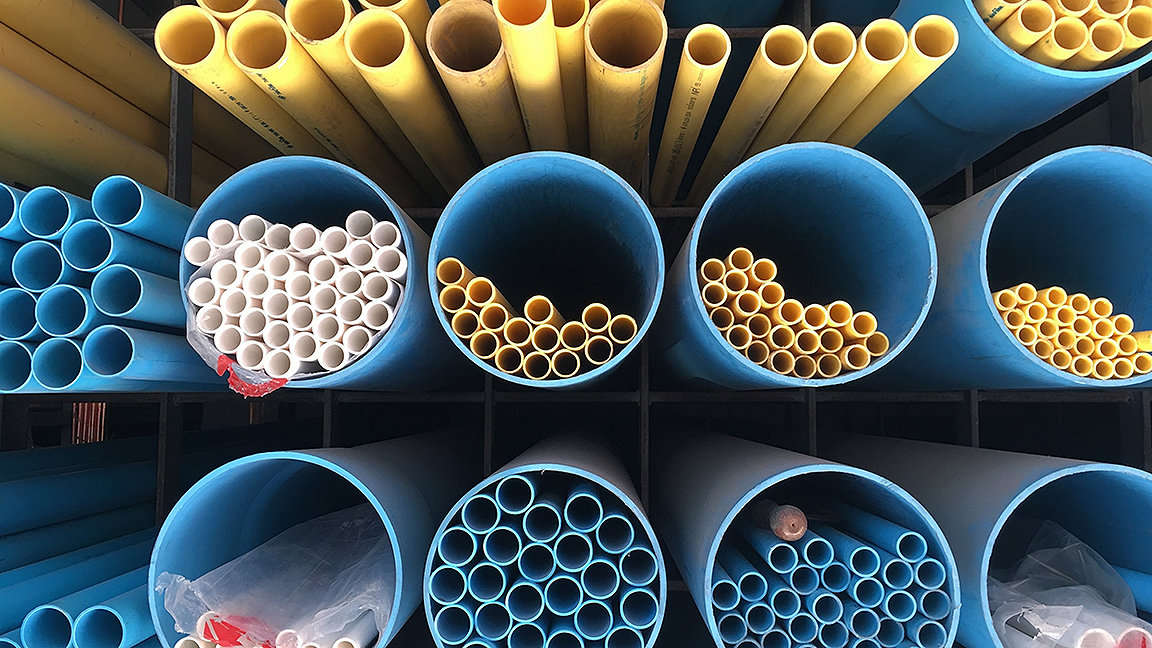
6 Reasons why plastic is widely used in the construction industry

Sustainable Building Materials

In the realm of sustainable construction practices, the utilization of environmentally friendly building materials has emerged as a pivotal focus in reducing the ecological footprint of construction projects. Sustainable building materials encompass a wide range of options concrete sieve test, including renewable resources like bamboo, cork, and reclaimed wood, which offer durability and strength while minimizing environmental impact.

Additionally, utilizing materials with high-recycled content, such as recycled steel and glass, not only diverts waste from landfills but also reduces the energy required for manufacturing new materials.

Furthermore, the incorporation of innovative materials like recycled plastic composites and aerated concrete can significantly enhance the sustainability of construction projects. These materials not only provide structural integrity but also contribute to energy efficiency and indoor air quality.

Recycled Construction Products

Recycled construction products offer a sustainable solution for building projects, reducing environmental impact by utilizing eco-friendly materials. These products encompass a range of sustainable construction supplies, providing builders with reclaimed resources to support green initiatives in the industry.

Incorporating recycled materials into construction projects not only promotes environmental conservation but also contributes to the creation of more sustainable buildings.

Eco-Friendly Building Materials

Utilizing sustainable resources in construction projects is a strategic approach that promotes environmental responsibility and long-term viability.

Eco-friendly building materials, such as recycled construction products, play a crucial role in reducing the impact of construction on the environment. These materials are derived from post-consumer waste, industrial by-products, or salvaged materials, diverting them from landfills and reducing the need for virgin resources.

Recycled concrete, steel, glass, and plastic are examples of eco-friendly building materials that offer durability and performance comparable to traditional construction materials. Incorporating these products into building projects not only helps in conserving natural resources but also contributes to energy savings and lower greenhouse gas emissions.

Embracing eco-friendly building materials is a sustainable choice for environmentally conscious construction practices.

Sustainable Construction Supplies

By incorporating sustainable construction supplies derived from recycled materials, builders can significantly reduce the environmental impact of their projects while promoting resource efficiency and conservation. Utilizing recycled construction products such as reclaimed wood, recycled glass, or recycled metal not only diverts waste from landfills but also minimizes the need for extracting raw materials, thus conserving natural resources.

These materials undergo processes that maintain their quality and durability, making them suitable for various construction applications. Additionally, the use of recycled construction supplies can contribute to lower project costs by reducing expenses related to material acquisition.

Reclaimed Resources for Projects

In the realm of sustainable construction practices, the integration of reclaimed resources for projects stands as a cornerstone for reducing environmental impact and promoting resource efficiency. Utilizing recycled construction products such as reclaimed wood, metal, or glass not only diverts materials from landfills but also minimizes the need for extracting new raw materials.

Reclaimed resources offer a cost-effective alternative without compromising quality or durability, making them an attractive option for environmentally conscious projects. Beyond the environmental benefits, incorporating reclaimed materials can add unique character and aesthetic appeal to constructions, providing a distinct charm that sets them apart.

Why we must limit use of construction plastics | Journals | RICS

Energy-Efficient Solutions

Energy efficiency in construction is crucial for reducing energy consumption and costs.

Insulation plays a key role in maintaining a building’s thermal performance, while integrating solar panels can harness renewable energy sources.

Insulation for Efficiency

With a focus on enhancing building efficiency, selecting the right insulation materials is crucial for achieving optimal energy performance. Insulation plays a significant role in reducing heat transfer, maintaining consistent indoor temperatures, and lowering energy costs.

Materials like fiberglass, cellulose, and spray foam insulation offer varying levels of thermal resistance to suit different construction needs. Fiberglass insulation, made from recycled glass fibers, is cost-effective and widely used. Cellulose insulation, composed of recycled paper, provides excellent thermal performance and is environmentally friendly. Spray foam insulation, though pricier, offers superior air sealing properties and high R-values.

Solar Panel Integration

Solar panel integration within building designs offers a sustainable and efficient solution for harnessing renewable energy sources. By incorporating solar panels into the architecture, buildings can generate electricity on-site, reducing reliance on traditional power sources and decreasing utility costs.

This integration not only promotes environmental responsibility but also provides long-term financial benefits. Modern advancements in solar technology have made panels more efficient and affordable, making them a viable option for both residential and commercial construction projects.

Additionally, solar panel integration can increase property value and appeal to environmentally conscious buyers. Overall, integrating solar panels into building designs is a practical and forward-thinking approach to energy efficiency that aligns with the growing demand for sustainable construction solutions.

Cost-Effective Insulation Options

To optimize cost-effectiveness in insulation solutions, it is crucial to carefully evaluate the thermal performance of various materials. When considering cost-effective insulation options, it is important to look beyond just the initial price and also consider long-term energy savings. Fiberglass insulation is a popular choice due to its affordability and effectiveness in reducing heat transfer. It is relatively easy to install and provides good thermal resistance.

Another cost-effective option is cellulose insulation, made from recycled paper products treated for fire resistance. It offers excellent thermal performance and is environmentally friendly. However, proper installation is key to maximize its effectiveness.

Spray foam insulation, although slightly more expensive upfront, provides superior insulation by forming airtight seals. This helps prevent heat loss efficiently, leading to long-term cost savings on energy bills.

Reflective foil insulation is another economical choice, especially in hot climates. It reflects heat away from the building, reducing the need for air conditioning. When choosing cost-effective insulation, it is essential to assess the specific requirements of the building to determine the most suitable option that balances upfront costs with long-term savings.

Affordable Composite Materials

Affordable composite materials offer a cost-effective solution for enhancing structural integrity and performance in various construction applications. These materials are composed of two or more constituent materials with significantly different physical or chemical properties, combined to produce a stronger and more durable product than traditional materials alone. By leveraging the unique properties of each component, composites can provide superior strength-to-weight ratios, corrosion resistance, and design flexibility.

In the construction industry, affordable composite materials are commonly used for structural elements such as beams, columns, and panels. These materials can reduce overall construction costs by offering a longer lifespan and requiring less maintenance compared to conventional materials. Additionally, composites are versatile and can be tailored to meet specific project requirements, making them an attractive choice for builders and developers looking to optimize performance while staying within budget constraints.

Low-Maintenance Building Supplies

Low-maintenance building supplies are essential components in construction projects due to their durability and long-lasting properties. These materials not only stand the test of time but also offer the convenience of being easy to clean, reducing the need for frequent upkeep.

When considering construction materials, opting for low-maintenance building supplies can contribute to the longevity and efficiency of a building structure.

Durable and Long-Lasting

Exceptional durability and longevity are inherent qualities of the building supplies offered in our construction materials solutions. Our selection includes materials engineered to withstand harsh environmental conditions, ensuring your project’s longevity without compromising on quality.

From weather-resistant siding materials to robust roofing solutions, our products are designed to endure the test of time, reducing the need for frequent repairs or replacements. By choosing these durable and long-lasting building supplies, you can have peace of mind knowing that your structure is built to last.

Investing in such high-quality materials not only saves you money in the long run but also minimizes the environmental impact of constant renovations. Choose reliability and longevity with our construction materials solutions.

Easy to Clean

When considering construction materials solutions, the focus on ease of maintenance and cleaning is paramount in ensuring the longevity and aesthetics of the structure. Opting for low-maintenance building supplies can significantly reduce the time and effort required for cleaning, offering occupants more freedom to enjoy their spaces without constant upkeep.

Materials like stainless steel, porcelain tiles, and laminates are excellent choices for easy cleaning, as they are resistant to stains and simple to wipe down. Additionally, selecting smooth finishes and non-porous surfaces can prevent dirt and grime from accumulating, further streamlining the cleaning process.

Budget-Friendly Foundation Alternatives

Cost-effective foundation solutions are paramount in achieving a balanced construction budget without compromising structural integrity. One budget-friendly alternative is using gravel as a foundation material. Gravel is cost-effective, easy to install, and provides good drainage for the foundation. It is suitable for areas with good soil drainage and can help distribute the load of the building efficiently.

Another budget-friendly option is using concrete blocks for the foundation. Concrete blocks are affordable, readily available, and easy to work with. They offer a sturdy foundation for various types of buildings and can be a cost-effective alternative to poured concrete foundations.

Furthermore, treated wood foundations can also be a budget-friendly option. Pressure-treated wood is resistant to moisture and insects, making it a durable choice for foundation construction. It is a lightweight and easy-to-handle material, reducing labor costs during installation.

Innovative Construction Technologies

With the rapid advancement of technology in the construction industry, innovative construction technologies are revolutionizing traditional building methods and enhancing efficiency and sustainability in construction projects. These technologies encompass a wide range of cutting-edge solutions that are reshaping the way structures are designed, built, and maintained.

One notable innovation is Building Information Modeling (BIM), a digital representation of a building’s physical and functional characteristics. BIM enables architects, engineers, and construction professionals to collaborate more effectively, visualize the project before construction begins, and identify potential issues early on, leading to cost savings and improved project outcomes.

Another groundbreaking technology is 3D printing, which allows for the rapid prototyping of building components and even entire structures. This method not only speeds up construction processes but also reduces material waste significantly. Additionally, advancements in sustainable materials, such as self-healing concrete and eco-friendly insulation, are promoting environmentally conscious construction practices.

Value-Engineered Material Selection

The optimization of construction projects through strategic material selection plays a pivotal role in achieving efficiency, cost-effectiveness, and sustainability goals. Value-engineered material selection involves a meticulous analysis of various construction materials to identify the most cost-effective options without compromising quality. This process requires a comprehensive understanding of the project requirements, budget constraints, and environmental considerations.

When selecting materials, it is essential to consider not only the initial cost but also the long-term benefits they provide. Value-engineered material selection involves evaluating factors such as durability, energy efficiency, maintenance requirements, and life cycle costs. By choosing materials that offer the best value over time, construction projects can minimize operational expenses and maximize returns on investment.

Furthermore, value-engineered material selection enables builders to meet sustainability objectives by opting for eco-friendly options that reduce environmental impact. Sustainable materials not only contribute to green building certifications but also enhance the overall reputation of the project. Ultimately, a well-thought-out material selection process can lead to a successful construction project that delivers superior performance while staying within budget constraints.

Practical Tips for Savings

Implementing efficient cost-saving strategies in construction projects requires a meticulous evaluation of expenditure allocations and resource utilization. One practical tip for savings is to conduct a thorough cost analysis before the project commences. By identifying potential areas where costs can be reduced without compromising quality, such as optimizing material quantities or exploring alternative suppliers, significant savings can be achieved.

Additionally, investing in energy-efficient materials and technologies may have higher initial costs but can lead to long-term savings through reduced energy consumption and maintenance expenses.

Another tip is to streamline project management processes to minimize delays and avoid costly rework. Utilizing technology for project tracking, scheduling, and communication can enhance efficiency and prevent budget overruns. Moreover, fostering open communication among all project stakeholders can help identify cost-saving opportunities and address issues proactively.

Regular monitoring of expenses against the budget throughout the project duration is essential to identify deviations early on and take corrective action promptly. By implementing these practical tips for savings, construction projects can achieve cost-effectiveness without compromising on quality or safety.

Conclusion

In conclusion, cost-effective construction materials solutions offer a sustainable and budget-friendly approach to building projects. By utilizing recycled materials, energy-efficient options, and innovative technologies, construction costs can be reduced without compromising quality or durability.

These practical tips for savings, along with value-engineered material selection, provide a comprehensive solution for achieving both financial and environmental goals in the construction industry.

Posted on   Leave a comment on Sustainable Construction Materials

Sustainable Construction Materials

The utilization of sustainable construction materials represents a pivotal shift towards environmentally conscious building practices, fostering a more resilient and eco-friendly infrastructure. As the industry increasingly embraces innovative solutions to reduce its ecological footprint universal testing machine, a fundamental question arises: How can the integration of these materials not only mitigate environmental impact but also drive value and longevity in construction projects? This discussion delves into the multifaceted aspects of sustainable construction materials, exploring their benefits, challenges, and the evolving landscape of eco-friendly innovations poised to shape the future of sustainable building practices.

Pros and Cons of Building Method with Sustainable Material

Benefits of Sustainable Materials

Utilizing sustainable materials in construction not only reduces environmental impact but also enhances long-term durability and energy efficiency of buildings. By incorporating materials such as reclaimed wood, recycled plastic, bamboo, and cork, construction projects can significantly decrease their carbon footprint. Sustainable materials offer benefits beyond environmental stewardship; they often possess qualities like high strength-to-weight ratios, improved insulation properties dynamic universal testing machine, and resistance to pests and rot. These materials contribute to the creation of structurally sound buildings that require less energy for heating, cooling, and maintenance over their lifetime.

Moreover, the use of sustainable materials aligns with the principles of circular economy and resource efficiency. It promotes the idea of reusing and repurposing materials, thus reducing waste and conserving natural resources. This approach not only minimizes the demand for virgin resources but also encourages innovation in the design and construction industry. Ultimately, embracing sustainable materials in construction is a forward-thinking strategy that not only benefits the environment but also sets a new standard for building practices.

Types of Recycled Materials

Recycled materials, integral to sustainable construction practices, encompass a diverse range of resources that can be repurposed to reduce environmental impact and promote resource efficiency.

Among the most commonly used recycled materials in construction are reclaimed wood, recycled metal, crushed concrete, and recycled plastic. Reclaimed wood from old buildings, shipping pallets, or industrial scraps provides a rustic aesthetic while reducing the demand for fresh timber.

Recycled metals like steel and aluminum are highly durable and can be melted down and reshaped multiple times without losing their quality, making them ideal for structural elements.

Crushed concrete, often sourced from demolished structures, can be used as a base material for roads and foundations, reducing the need for gravel mining.

Recycled plastic, derived from items like bottles and packaging, can be transformed into composite lumber for decks and outdoor furniture, diverting plastic waste from landfills.

Embracing these recycled materials not only minimizes waste but also conserves natural resources, contributing to a more sustainable construction industry.

Advantages of Renewable Resources

Renewable resources offer a myriad of benefits in the realm of sustainable construction.

These resources, such as bamboo and cork, provide eco-friendly alternatives to traditional building materials.

Additionally, they often boast energy-efficient properties and can contribute to cost-effective construction practices.

Eco-Friendly Building Materials

Considering the imperatives of sustainability and environmental consciousness in modern construction practices, the utilization of eco-friendly building materials derived from renewable resources has gained significant traction within the industry. By opting for renewable resources like bamboo, reclaimed wood, recycled steel, and cork, builders can reduce the environmental impact of construction projects. These materials offer advantages such as lower carbon footprint, energy efficiency, and improved indoor air quality.

Bamboo, for instance, grows rapidly and sequesters more carbon than traditional timber. Reclaimed wood not only adds character but also reduces the demand for new lumber. Recycled steel saves energy and reduces waste. Cork is a sustainable option that provides excellent insulation. Incorporating these eco-friendly materials into construction projects not only benefits the environment but also promotes a healthier and more sustainable future.

Energy-Efficient Construction Options

Utilizing energy-efficient construction options that leverage the advantages of renewable resources is paramount in fostering sustainable building practices and reducing environmental impact in the construction industry.

Incorporating renewable energy sources such as solar panels, wind turbines, and geothermal systems can significantly decrease a building’s carbon footprint and reliance on non-renewable energy. These options not only reduce greenhouse gas emissions but also offer long-term cost savings and energy independence.

Sustainable Construction: All about it, Certificates, and Trends | Blog  SYDLE

Cost-Effective Sustainable Resources

Harnessing cost-effective sustainable resources is key to promoting environmentally friendly construction practices and minimizing the ecological footprint of building projects. Renewable resources offer several advantages that make them an attractive option for sustainable construction.

One major benefit is their abundance and constant availability, reducing dependency on finite fossil fuels. Additionally, renewable resources such as solar energy, wind power, and sustainably sourced timber can significantly lower operational costs in the long run.

Innovations in Eco-friendly Materials

In the realm of sustainable construction materials, a groundbreaking advancement has emerged with the development of bio-based composites that offer both durability and environmental benefits. These innovative materials are created by combining natural fibers, such as hemp or bamboo, with biodegradable resins to form strong, lightweight, and eco-friendly alternatives to traditional construction materials. Not only do bio-based composites reduce the reliance on finite fossil fuels, but they also have a lower carbon footprint compared to conventional materials like steel or concrete.

Moreover, another noteworthy innovation in eco-friendly materials is the utilization of recycled content in construction products. By incorporating materials like recycled steel, glass, or plastic into building components, construction projects can significantly reduce waste and lessen the demand for virgin resources. This not only helps divert waste from landfills but also promotes a circular economy where materials are reused and repurposed, contributing to a more sustainable future for the construction industry.

Importance of Energy-Efficient Options

Implementing energy-efficient options in construction is crucial for reducing carbon footprints and promoting sustainability. Energy-saving materials not only benefit the environment but also contribute to creating healthier indoor spaces.

Making eco-friendly construction choices leads to cost-effective sustainable solutions that align with green building practices.

Energy-Saving Materials Benefits

By incorporating energy-saving materials in construction projects, builders can significantly reduce energy consumption and minimize the environmental impact of buildings. Energy-efficient options such as high-performance insulation, double-glazed windows, and reflective roofing materials help regulate indoor temperatures, reducing the need for heating and cooling systems. This not only lowers utility costs but also decreases greenhouse gas emissions associated with energy production.

Additionally, using renewable energy sources like solar panels or geothermal systems further enhances the sustainability of buildings. By prioritizing energy-saving materials, construction projects can contribute to a more eco-friendly and cost-effective built environment. Embracing these innovative solutions not only benefits the environment but also provides long-term savings and promotes a more sustainable future.

Eco-Friendly Construction Choices

Utilizing eco-friendly construction choices, particularly emphasizing energy-efficient options, is paramount in fostering sustainable building practices and reducing environmental impact. Energy-efficient materials such as insulated concrete forms, cool roofs, and double-glazed windows play a significant role in reducing energy consumption and greenhouse gas emissions.

These choices not only decrease the carbon footprint of buildings but also lead to long-term cost savings for homeowners and businesses. Incorporating renewable energy sources like solar panels and wind turbines further enhances the sustainability of construction projects.

Cost-Effective Sustainable Solutions

Incorporating energy-efficient solutions into construction projects is a strategic investment that not only promotes sustainability but also yields long-term cost savings and environmental benefits.

Opting for energy-efficient materials and technologies, such as insulation, LED lighting, and efficient HVAC systems, can significantly reduce operational expenses over the building’s lifespan. While the initial investment may be slightly higher, the long-term savings from reduced energy consumption often far outweigh the upfront costs.

Moreover, energy-efficient options contribute to a decreased carbon footprint, aligning with eco-conscious goals and regulations. By prioritizing energy efficiency in construction projects, not only do stakeholders benefit from financial savings, but they also actively participate in the global movement towards a more sustainable and environmentally-friendly built environment.

Sustainable Materials in Construction Design

In contemporary construction design, the integration of sustainable materials plays a pivotal role in fostering environmentally conscious and innovative building practices. Architects and designers are increasingly turning to sustainable materials such as bamboo, recycled steel, reclaimed wood, and low-impact concrete to reduce the carbon footprint of construction projects. These materials not only help in conserving natural resources but also contribute to the overall energy efficiency and sustainability of buildings.

Innovative approaches like using hempcrete for insulation, solar panels for energy generation, and green roofs for natural insulation are becoming more prevalent in construction design. The use of sustainable materials not only reduces the environmental impact of buildings but also enhances indoor air quality and occupant comfort.

Furthermore, sustainable materials offer a unique aesthetic appeal, providing a modern and eco-friendly look to structures. Embracing sustainable materials in construction design not only aligns with the principles of environmental responsibility but also opens up opportunities for creative and forward-thinking architectural solutions.

Challenges in Implementing Green Materials

The adoption of sustainable materials in construction design presents an array of challenges that necessitate careful consideration and strategic solutions to overcome. One of the primary challenges lies in the higher initial cost of green materials compared to traditional ones. However, it’s crucial to consider the long-term benefits and cost savings that sustainable materials offer over their lifespan.

Another significant challenge is the limited availability of green materials in some regions, which can hinder widespread adoption. This scarcity underscores the importance of investing in research and development to create more accessible alternatives.

Additionally, the lack of awareness and understanding among stakeholders about the benefits and applications of sustainable materials poses a challenge. Education and collaboration among architects, engineers, builders, and suppliers are essential to drive the widespread acceptance of green materials. Moreover, ensuring the durability and performance of sustainable materials under various environmental conditions is crucial to building trust and confidence in their use.

Overcoming these challenges requires a collective effort and a commitment to innovation in the construction industry.

Anticipated advancements in sustainable construction practices point towards a future where efficiency, resilience, and environmental stewardship converge to redefine the industry’s landscape. The integration of cutting-edge technologies such as 3D printing, robotic construction, and artificial intelligence is set to revolutionize how buildings are designed and constructed. These innovations not only enhance precision and speed but also significantly reduce material waste, energy consumption, and carbon emissions.

Moreover, the adoption of biophilic design principles is gaining momentum, with a focus on incorporating natural elements like green roofs, living walls, and ample natural light to promote occupant well-being and connection to the environment. Building materials derived from recycled waste products, such as reclaimed wood, recycled plastics, and repurposed metals, are becoming increasingly popular due to their sustainability credentials and unique aesthetic appeal.

As the demand for eco-friendly structures continues to rise, so does the emphasis on life-cycle assessment and circular economy principles, ensuring that buildings are not only constructed sustainably but also operate efficiently and can be repurposed or recycled at the end of their lifespan. Embracing these future trends in sustainable construction will not only drive innovation and economic growth but also pave the way for a more environmentally conscious and resilient built environment.

Conclusion

In conclusion, the use of sustainable construction materials offers a myriad of benefits, including enhanced durability, improved energy efficiency, and reduced environmental impact.

By incorporating recycled and renewable resources, as well as innovative eco-friendly materials, construction projects can contribute to a more sustainable future for the industry.

Despite challenges in implementation, the importance of energy-efficient options and a focus on green materials will drive future trends in sustainable construction towards a more environmentally conscious approach.